Morocco’s New Animal Law Sparks Outrage Amid Continued Mass Killings of Dogs
RABAT, Morocco — As Morocco prepares to host the 2030 FIFA World Cup, the nation finds itself at the center of global outrage over the continued slaughter of street dogs—despite a newly announced animal protection law. While officials claim the law will balance public safety and animal welfare, activists on the ground say the killings haven’t stopped, and new “death camps” are being built to house, and ultimately eliminate, street dogs across the country.
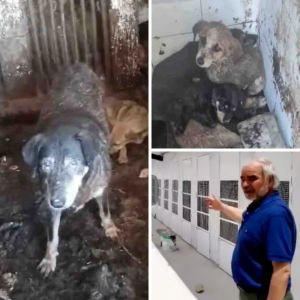
Footage and eyewitness reports from cities like Oujda, Casablanca, and Fez have exposed ongoing dog roundups, public shootings, and mass poisonings. In June, Morocco’s administrative court ruled against the Ministry of Interior for violating both Moroccan and international animal welfare laws. The court condemned the poisoning and shooting of dogs without scientific or veterinary oversight and emphasized that, under Islamic law, dogs may only be euthanized if they pose a direct and immediate threat.
Despite this ruling, disturbing new evidence shows that cities like Oujda are continuing month-long extermination campaigns. One government-run facility in Oujda features concrete cells, an “animal disposal pit,” and no sign of adoption programs, sterilization efforts, or humane care. Advocates fear these are not shelters but state-sanctioned extermination centers.
In Fez, the Ain Qados facility—described by locals as “hell for dogs”—has become a symbol of the cruelty. Recent footage shows starving dogs crammed into filthy cages without food, water, or basic care. Animal defenders are organizing a protest outside the slaughterhouse this Saturday, demanding its immediate closure and the relocation of all surviving animals.
Latifa, an animal advocate from Oujda, said the government’s message is clear: “This isn’t protection. This is elimination.”
Children across Morocco have witnessed the killings firsthand, raising grave concerns about psychological trauma and the country’s violation of the UN Convention on the Rights of the Child. Dogs that have already been sterilized and vaccinated—identified by ear tags—are still being killed.
International organizations have offered to fund humane sterilization and vaccination programs, but Moroccan law restricts the work to local veterinarians, many of whom refuse to participate unless the killings end. Meanwhile, international animal welfare coalitions, including the RSPCA, Dogs Trust, and PETA, are calling on FIFA and Moroccan leaders to take immediate action.
“This is not population control. This is extermination,” said Debbie Wilson of the International Animal Welfare Protection Coalition.
With the world watching ahead of the 2030 World Cup, the pressure is mounting. More than 67,000 people have signed petitions demanding an end to the killings and the closure of so-called shelters. Public figures like Ricky Gervais, Dr. Jane Goodall, and Peter Egan have also condemned the actions.
“This is Morocco’s moment to do the right thing,” said Fleur Dawes, communications director for In Defense of Animals. “The world will not look away.”