It was a night meant for rest and reflection, a moment when the world seemed quiet, yet for Braun Levi, May 4, 2025, became a night of irreversible tragedy, a night that would shatter his family, friends, and the broader community that had watched him rise as a promising young athlete.
At just 18 years old, Braun, a three-time captain at Loyola High School and a rising star in the world of tennis, had survived the Palisades Fire earlier that year, demonstrating resilience, courage, and determination, only to have his promising life cut short on the streets of Manhattan Beach, in a way that no one could have foreseen.
Walking with a friend around 1 a.m., Braun was struck by an Infiniti FX35, driven by 33-year-old Jenia Resha Belt, ending his life instantly, leaving shock and sorrow in the hearts of everyone who knew him, and igniting outrage across the community when authorities later revealed that Belt’s blood alcohol level was more than double the legal limit at the time of the collision.
This revelation intensified the grief and anger of a family already grappling with the unimaginable, transforming a young man’s bright future into a cautionary tale of negligence and preventable loss.
Seven months after the crash, law enforcement finally arrested Belt, charging her with murder in connection to Braun Levi’s death, a delay that left the community in suspense, anxious for accountability, and questioning public safety and the adequacy of systems meant to prevent such tragedies.
Braun’s family subsequently filed a $200 million wrongful death lawsuit, highlighting not only the personal loss but also the broader societal need for stricter enforcement against repeat DUI offenders, while emphasizing the devastating consequences that negligent driving can wreak in a matter of seconds.
Friends, teammates, and classmates remember Braun not solely for his athletic prowess but for his character, leadership, and the brightness he brought to those around him.
He had been on track to play tennis at the University of Virginia, a dream filled with possibility, growth, and new experiences that would now never come to fruition, leaving a void not just in his immediate circles but in the broader sports community that had come to admire his discipline and talent.
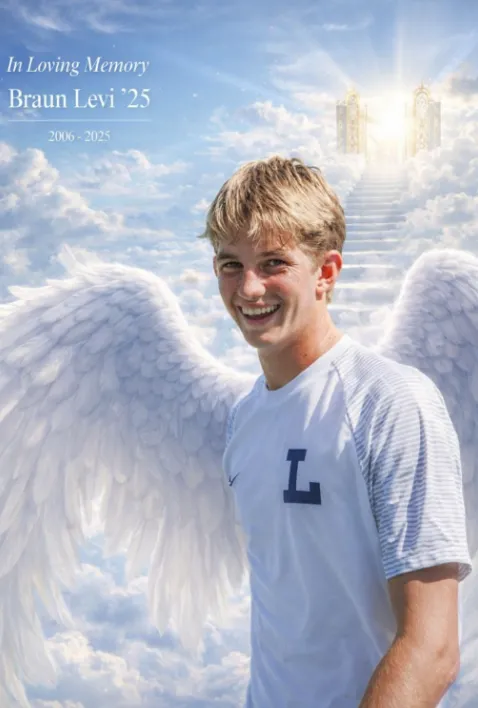
His accomplishments on the court—championships, team accolades, and years of dedicated practice—reflected not only skill but perseverance, commitment, and an unwavering drive that made him a role model among peers and younger players alike.
The impact of his death rippled far beyond his family, reaching classmates, teachers, neighbors, and residents who were touched by his presence, his joy, and the simple human warmth that radiated from him in every interaction.
Social media quickly filled with tributes, with photos of Braun smiling with friends, holding his racket, and celebrating victories, as messages of grief, remembrance, and solidarity poured in from across the nation, illustrating just how deeply his short life had touched so many hearts.
His coach described him as a disciplined athlete, a caring teammate, and someone who inspired others to aim higher, while the knowledge that his life had been stolen by a preventable act of reckless driving compounded the heartbreak and frustration among all who knew him.

Neighbors and bystanders who witnessed the crash recounted the horrifying scene: the sound of impact, the chaos that followed, and the helplessness in watching a life extinguished in an instant.
Paramedics arrived with urgency, but despite their best efforts, Braun’s injuries were too severe to survive, leaving friends, family, and a grieving community to grapple with the cruel finality of a life so full of promise cut tragically short.
Police investigations revealed Belt had a history of DUI offenses, raising questions about how someone with repeated violations continued to have access to vehicles while impaired, and sparking outrage across the community about the dangers posed by repeat offenders.
Local officials emphasized the importance of stricter DUI enforcement, highlighting the consequences of ignoring repeat offenders, while acknowledging that the arrest of Belt, though necessary, cannot restore the life that was lost or ease the grief endured by Braun’s family.

His parents, still reeling from the shock, spoke publicly about the future they had envisioned: college visits, victories on the court, family vacations, and the ordinary joys of watching a child grow into adulthood.
Instead, they are left with grief, unanswered questions, and the unrelenting fight for justice in the legal system, a system attempting to assign accountability for a loss that no court can fully mend.
The murder charge against Belt carries severe legal consequences, reflecting both the deliberate negligence and her repeated history of DUI violations, while prosecutors emphasize that justice is not only for the family but also a measure of community protection.
The trial will examine the circumstances surrounding the crash, Belt’s prior record, and the split-second choices that culminated in Braun’s death, sending ripples far beyond Manhattan Beach, sparking conversations on public safety, legal responsibility, and the consequences of impaired driving.

Braun’s story has become a focal point for education, advocacy, and community reflection, with local schools and sports organizations using his memory to teach young drivers about responsibility, the importance of sober driving, and the fragility of life.
Vigils have been held in his honor, in tennis courts, gymnasiums, and local parks, as friends, teammates, and community members gather to remember the young man who inspired them, sharing stories, lighting candles, and celebrating his life despite the tragedy that ended it too soon.
Friends carry his memory forward, dedicating matches, tournaments, and practices to him, while social media campaigns amplify his story, encouraging drivers to remain vigilant, sober, and responsible.

The case highlights systemic concerns, including how repeat DUI offenders are monitored and the steps necessary to prevent such preventable tragedies from claiming more lives.
Parents, educators, and community leaders have called for policy changes, stricter laws, and heightened awareness campaigns to educate drivers on the real-life consequences of reckless behavior.
While legal proceedings continue, the emotional toll on Braun’s younger siblings, friends, and teammates is immense, as they navigate a world permanently altered by a split-second decision that cannot be undone.

Counselors and mental health professionals stress the importance of support networks to help those affected process trauma, understanding that even those who never knew Braun personally feel the weight of his story and the stark reality that a promising life was lost to negligence.
His death is a sobering reminder that impaired driving can destroy futures in mere moments, leaving indelible scars on families, communities, and all who bear witness to its consequences.
Each year, thousands of lives are affected by DUI-related incidents, and Braun’s death serves as a stark, human reminder that behind every statistic is a person, a family, a future irreversibly altered.

The wrongful death lawsuit filed by Braun’s family seeks to shed light on the dangers posed by repeat offenders and the failures of systems that allowed her continued access to a vehicle, while also pressing for stricter legislation to prevent similar tragedies.
The story has resonated nationwide, drawing attention from sports communities, legal analysts, and advocacy groups, all recognizing the dual tragedy of a young life lost and the preventable nature of the crime.
Many hope that justice, though delayed, will set a precedent, raise awareness, and prevent other families from experiencing similar heartbreak.
For now, Braun Levi’s family continues to mourn, leaning on friends, faith, and community support to navigate the unthinkable loss, while emphasizing the importance of honoring his life, his accomplishments, and the joy he brought to those around him.

His memory lives in the tennis courts where he trained, in photographs shared online, and in the hearts of those who loved him, a testament to the vibrancy, determination, and spirit he embodied.
Community members continue to advocate for stricter DUI enforcement, hoping that no other family experiences the devastation they endured.
Braun’s death has become both a cautionary tale and a rallying point, reminding society that impaired driving can have irreversible consequences, and that accountability, vigilance, and education are essential to protect lives.
The legal case against Belt will unfold over months, but Braun’s memory will endure far longer, as a symbol of promise lost, life cut short, and the urgent need for societal action.
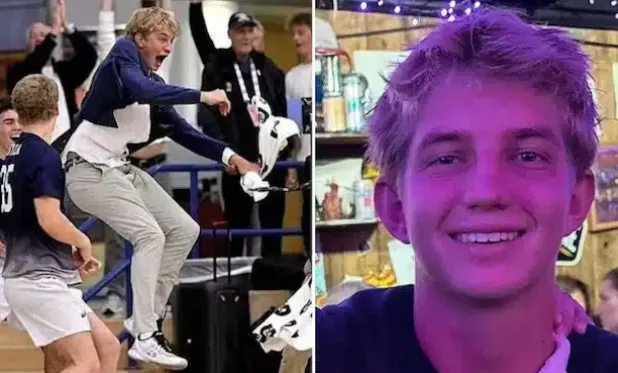
His story serves as a testament to talent, dedication, and the profound impact one young life can have, inspiring conversations on prevention, responsibility, and community awareness.
Through memorials, advocacy, and remembrance events, Braun Levi’s legacy continues to educate, caution, and honor the life of a young man whose future was stolen in an instant, leaving lessons, grief, and hope intertwined for generations to come.
A Father’s Heartbreak: Holding Onto Hope for Baby Emberleigh
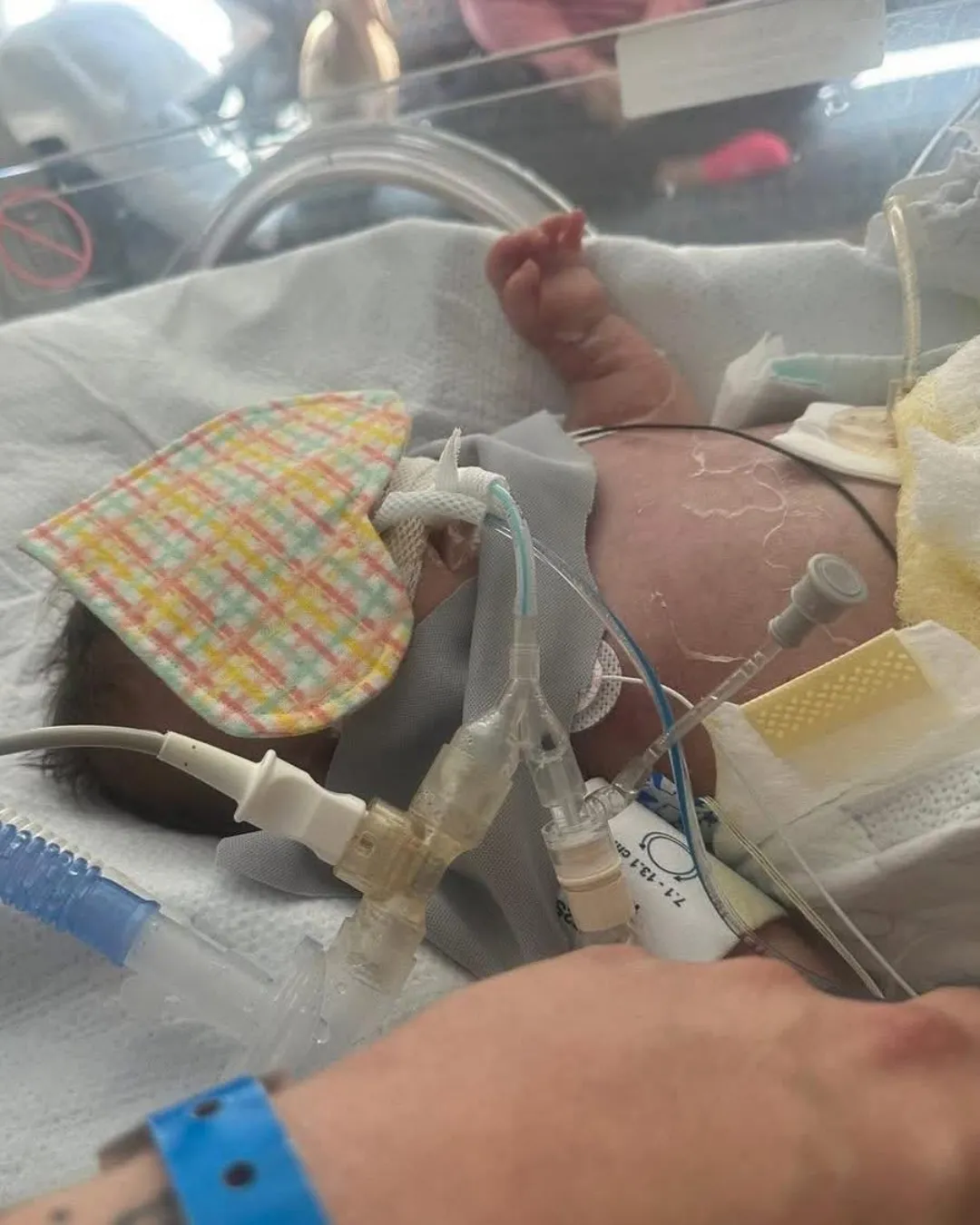
In the neonatal intensive care unit, where every beep and flicker of a monitor feels like a lifeline, a tiny warrior named Emberleigh is fighting for her life. Born premature, her story is one of fragile beginnings, fierce battles, and a family clinging to hope in the face of unbearable odds.
In the last 24 hours, her condition has worsened. The culprit is necrotizing enterocolitis (NEC), a severe and often devastating intestinal disease that strikes vulnerable preemies. For Emberleigh, it has meant infection, weakness, and a body too small to endure the weight of such suffering.
Doctors have explained that she must gain 2.5 kilograms before she can even be considered for the surgery that could save her life. Yet her father confesses what no parent ever wants to admit: her tiny body is giving out faster than she can grow strong.
A Father’s Words
In the midst of this unimaginable reality, Emberleigh’s dad put his heartbreak into words that speak volumes about both pain and faith:
“I hurt even writing this… but there are too many of you praying for her to not update. Considering a miracle is her best bet I have to hope one of you gets that message through to the big man upstairs. Hold your loved ones tight for us. Cherish every single moment.”
It is the cry of a parent caught between hope and despair, between the science of medicine and the mystery of miracles. It is a reminder of how fragile life can be—and how fiercely we hold on when love is all that remains.
The Weight of the Waiting
Every moment in the NICU is heavy with waiting. Parents like Emberleigh’s measure time not in days or weeks, but in breaths, heartbeats, and tiny movements that signal another chance. Each setback feels crushing. Each flicker of progress feels monumental.
For Emberleigh’s family, the waiting is agonizing. They long to see their baby girl grow, thrive, and eventually come home. But right now, every glance at the monitors is a plea, every whispered prayer an act of defiance against despair.

What Can Be Said?
What can anyone say to a father whose baby girl teeters between life and death? Words feel too small for the weight of his grief. Perhaps the only answer is presence—the collective presence of a community that refuses to let him carry this pain alone.
To Emberleigh’s dad, the world might say: Your love for your daughter is already a miracle. You are giving her everything you can—the strength of your prayers, the power of your hope, and the tenderness of your heart. None of that is wasted. None of it is in vain.
To Emberleigh’s mom and dad, we can offer the promise that even if they feel powerless, they are not alone. Thousands stand with them, lifting prayers like lanterns in the dark, believing with them for healing, and grieving with them in this unbearable season.
A Call to Cherish
In the end, perhaps Emberleigh’s father said it best himself: Hold your loved ones tight. Cherish every single moment. His words echo far beyond the NICU walls, reminding us all that life’s most precious gifts are never guaranteed, and that love is both fragile and fierce.
Baby Emberleigh’s fight is not over. Her parents’ love is unwavering. And while medicine works within its limits, hope dares to reach higher—to the possibility of a miracle.
For now, the world prays. For Emberleigh. For her mom and dad. For the strength to endure what no parent should ever face, and for the miracle they so desperately need.