Canada–U.S. Trade Tensions Intensify as Mark Carney Signals Tougher Border and Economic Position
A new phase of uncertainty is emerging in North American politics as Mark Carney takes a firmer public stance on trade, border enforcement, and economic leverage in discussions involving the United States and Donald Trump. While no official “ultimatum” has been confirmed by either government, recent negotiations and public remarks suggest that relations between Ottawa and Washington are entering one of their most delicate periods in years, particularly as tariff pressure and border-related political messaging continue to shape both countries’ economic agendas.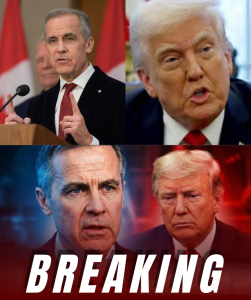
At the center of the latest attention is Canada’s growing effort to reduce vulnerability to sudden policy shifts from Washington. Over the past year, Carney has repeatedly emphasized that Canada can no longer rely on old assumptions about automatic economic stability with its southern neighbor. His administration has pushed for broader trade diversification, stronger industrial resilience, and tighter protection of strategic sectors such as energy, critical minerals, and manufacturing. Analysts believe this strategy is not only designed to protect Canadian industries, but also to increase Ottawa’s negotiating power when faced with aggressive tariff threats or revised trade demands from the White House.
The current tension intensified after renewed American tariff discussions targeted Canadian exports outside existing protections under the United States–Mexico–Canada Agreement. Washington previously imposed tariffs reaching 35 percent on some non-covered goods, forcing emergency conversations inside Canada’s cabinet and renewed direct communication between both governments. Canadian officials responded by stressing that any future agreement must offer predictability rather than temporary political relief. According to officials close to the talks, the concern in Ottawa is not only the tariff rate itself, but also the unpredictability surrounding future changes that could disrupt supply chains overnight.
Economic experts warn that even limited escalation between the two countries could quickly affect multiple sectors across North America. The automotive industry remains one of the most exposed areas because manufacturing networks between Canada and the United States are deeply integrated. A delay at the border, a new customs restriction, or fresh tariff barriers can immediately increase production costs for major manufacturers operating in both countries. Energy markets are also highly sensitive, especially because Canadian oil exports continue to play a major role in supplying several U.S. regions. For this reason, even carefully worded political statements from either side often trigger strong reactions from investors and industry groups.
What makes the current situation more politically significant is the tone surrounding negotiations. Carney has publicly framed several American pressure tactics as part of a broader negotiating style rather than immediate policy reality, suggesting that some threats are intended to shape bargaining conditions before formal trade reviews begin. That interpretation has been echoed by observers who believe both governments are positioning themselves for a much larger renegotiation cycle involving North American trade rules.
At the same time, Canadian domestic politics are influencing the strength of Carney’s language. His government faces strong expectations to defend national economic interests while also avoiding direct confrontation that could trigger deeper commercial retaliation. This balancing act explains why recent Canadian messaging has become firmer in tone while remaining careful in legal wording. Officials have focused on border security cooperation, anti-smuggling coordination, and industrial partnership while simultaneously warning that Canada is prepared to expand alternative trade routes if needed.
For Washington, the challenge is equally strategic. The United States depends heavily on Canadian supply chains in sectors that are difficult to replace quickly, including metals, energy inputs, and transportation links. Business leaders in both countries continue pressing for stability because prolonged uncertainty affects investment planning far beyond government negotiations.
What happens next may depend on whether both leaders can transform short-term pressure into a structured agreement. Behind the headlines, officials are still working through technical details that could determine whether tensions ease or grow stronger over the coming months. For now, the message from both capitals is clear: neither side wants economic disruption, but both are preparing for a harder negotiation than many expected.