The iPhone 17 Pro features three cameras, yet Apple claims they are equivalent to eight professional lenses — a statement that might lead users to believe it can replace traditional cameras entirely.
Apple has stated that the three cameras on the iPhone 17 Pro are comparable to eight professional lenses.
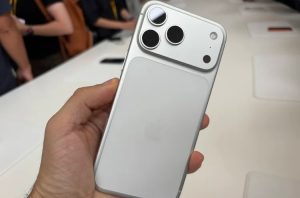
Apple is known for making bold claims when launching new iPhones, especially regarding their camera systems. This year, the company announced that the three rear cameras on the iPhone 17 Pro equal “eight professional lenses.” Meanwhile, the iPhone Air, with only a single rear camera, is still marketed as having “four lenses.”
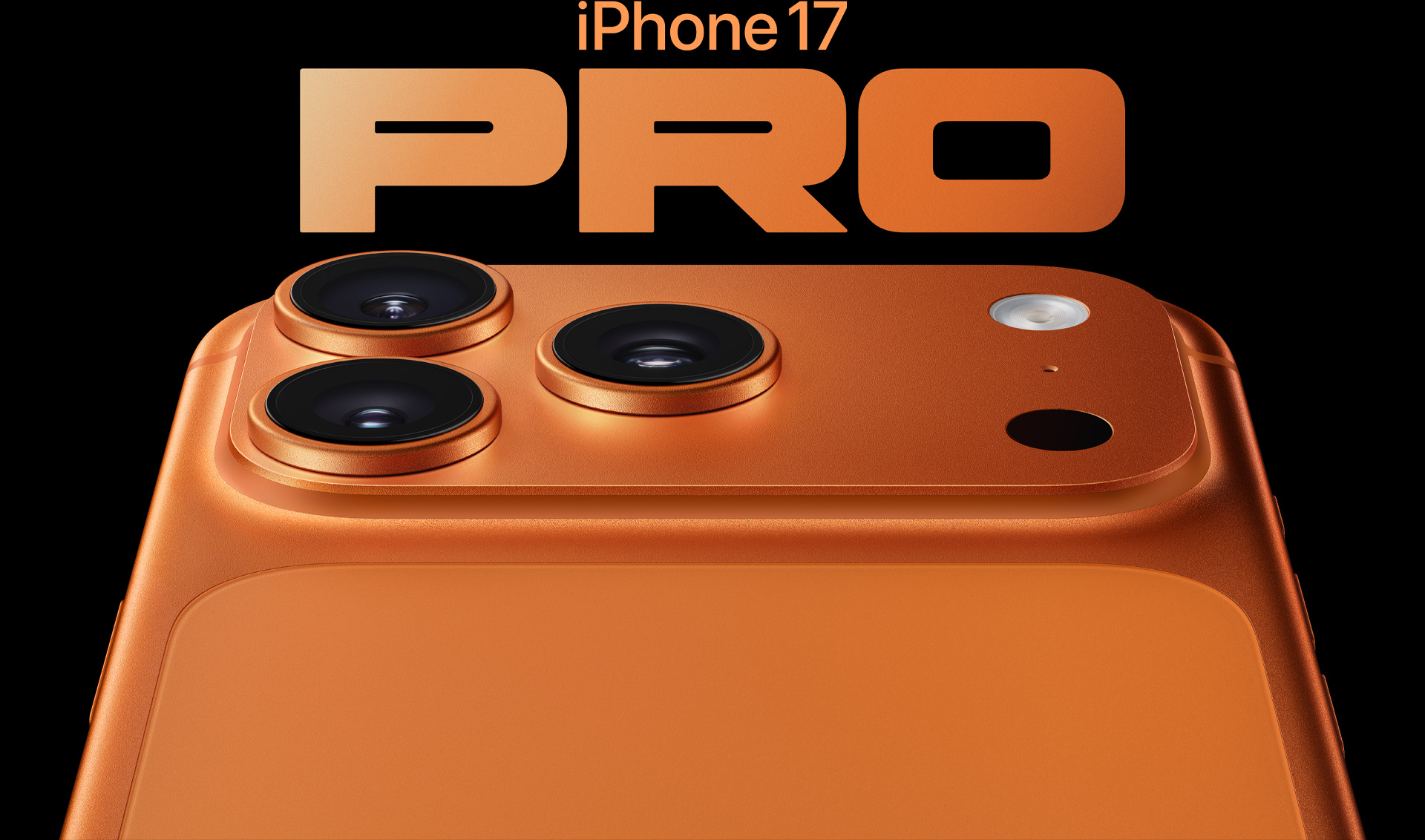
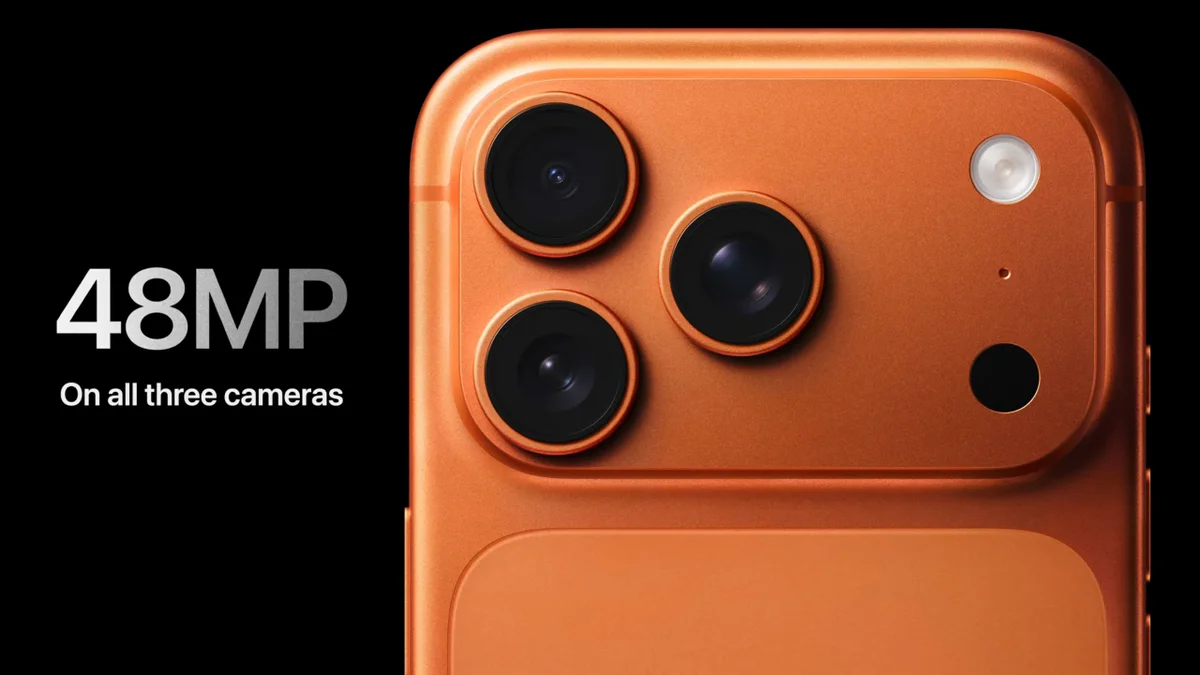
The ultra-thin iPhone Air comes with a single 48 MP camera with an f/1.6 aperture and a 26 mm focal length. This is also the main camera used on the standard iPhone 17. By contrast, the iPhone 17 Pro and Pro Max include a 48 MP main sensor (f/1.78, 24 mm), an ultra-wide camera, and a 4x telephoto camera.
What stands out is how Apple counts the number of “lenses” on these devices. For the iPhone Air, Apple claims that a single sensor can simulate 26 mm, 28 mm, 35 mm, and 52 mm focal lengths. However, at 2x zoom (52 mm), resolution drops to 12 MP. The 28 mm mode combines multiple 12 MP frames with one 48 MP frame, while the 35 mm mode simply crops the central area of the sensor.
For the iPhone 17 Pro, Apple now counts three physical lenses as eight “professional lenses,” up from seven on last year’s iPhone 16 Pro. Based on its specs, experts believe Apple derives these eight “lenses” as: four focal lengths from the main camera (24 mm, 28 mm, 35 mm, 52 mm), a 100 mm telephoto (4x), a 200 mm photo (8x, 12 MP from the telephoto), a 13 mm ultra-wide, and a macro mode that uses the ultra-wide camera.
Apple labels this as “optical quality,” though it is not true optical zoom. Traditional optical zoom requires physically changing the lens’s focal length, whereas the iPhone relies mostly on computational photography. Including cropped modes, digital zoom, and macro as “professional lenses” seems more like marketing than actual optics.
This isn’t the first time Apple has used vague language to make its products seem superior. Still, this approach of inflating lens counts has sparked debate, especially among photography enthusiasts. In the end, software alone cannot fully replace the quality of real optical lenses.
The iPhone Air may be advertised as offering four lenses, but whether it truly matches four professional lenses is something users will have to experience and judge for themselves.